Supply Caps
I have a custom made 20ga wire wrapping tool for this. This is 20ga
UL1015 wire used for appliance hookup. It is generally not available at
the local hardware store. You have to buy it in large spools of 500' or
more form a supplier. I got lucky. After contacting many suppiers who
would not give the the time of day for the small quantity I needed, I
finally found a rep that had some 100' spools of
Yellow,red,blue,black,white made up for me as samples.
UL1015 wire used for appliance hookup. It is generally not available at
the local hardware store. You have to buy it in large spools of 500' or
more form a supplier. I got lucky. After contacting many suppiers who
would not give the the time of day for the small quantity I needed, I
finally found a rep that had some 100' spools of
Yellow,red,blue,black,white made up for me as samples.
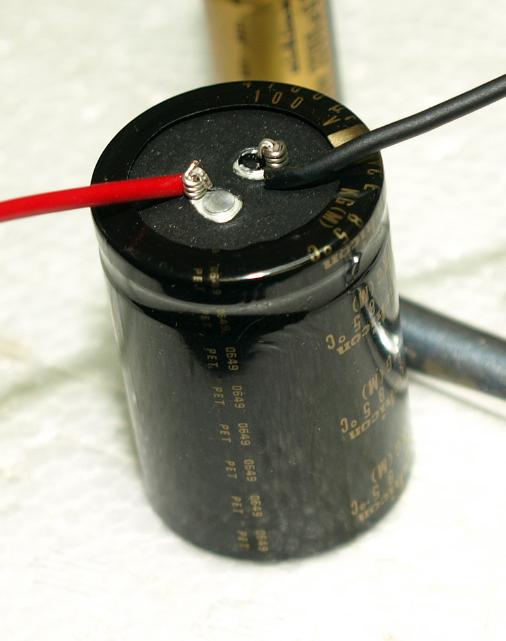
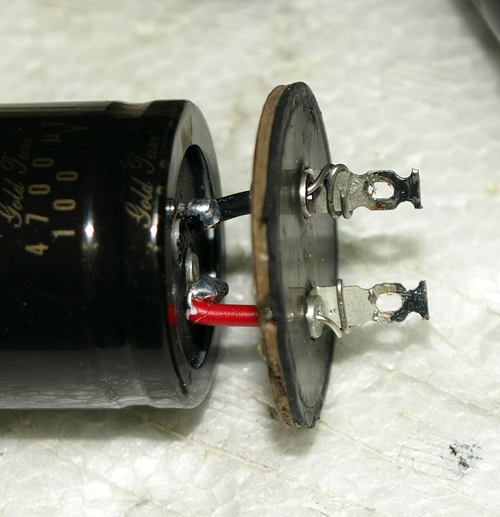
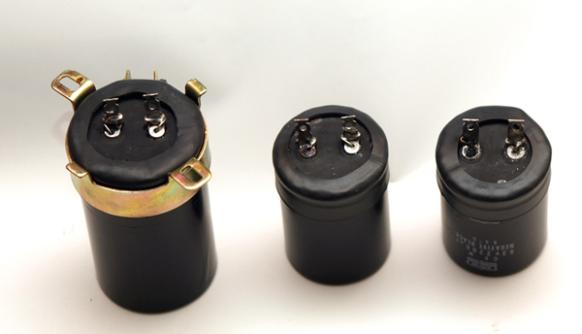
Above: you can see the wire is wrapped around the snap-in posts and the end of the posts are bent over. This provides a mechanical
fastening (much like the rivets that hold the lugs). Then thay are soldered. The solder lugs on the capacitor caps are drilled directly through
the center with a wire gauge hand drill. The wire is trimmed to length and passed through the holes and wrapped around the solder lugs
(which will be solder with the rest of the wires when installed). Black for ground and red for positive. The lugs on the capacitor base are
marked (you often see "Negative Black" printed on the caps). This orientation is kept with the new capacitor.
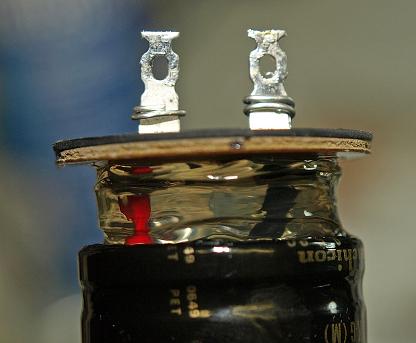
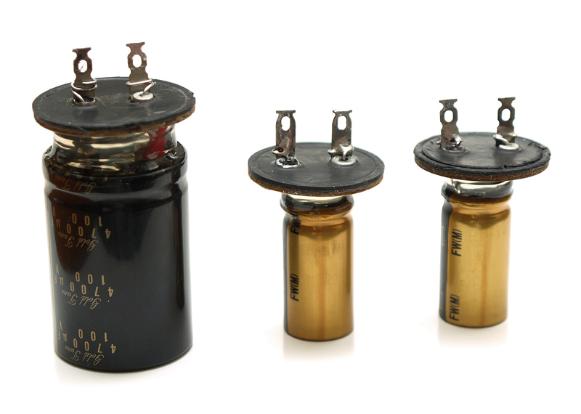
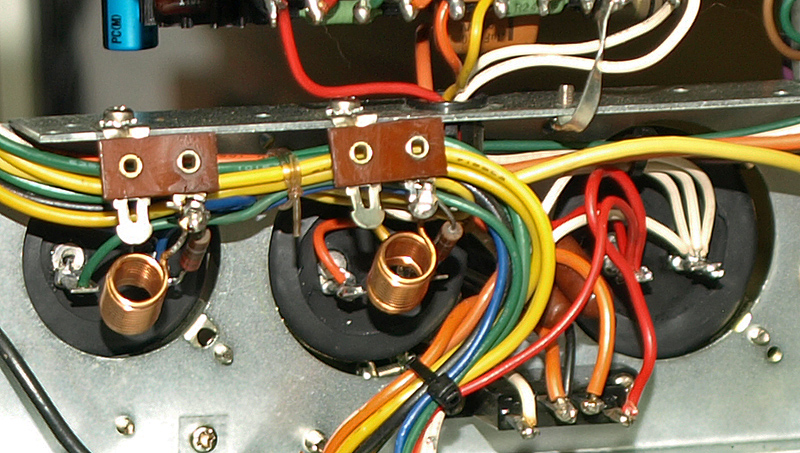
Below: A clear silicone based caulk is placed in the gap to insulate, provide a footing for the cap to rest on, and to dampen vibration. All three
caps are completed in this way.
fastening (much like the rivets that hold the lugs). Then thay are soldered. The solder lugs on the capacitor caps are drilled directly through
the center with a wire gauge hand drill. The wire is trimmed to length and passed through the holes and wrapped around the solder lugs
(which will be solder with the rest of the wires when installed). Black for ground and red for positive. The lugs on the capacitor base are
marked (you often see "Negative Black" printed on the caps). This orientation is kept with the new capacitor.
Below: A clear silicone based caulk is placed in the gap to insulate, provide a footing for the cap to rest on, and to dampen vibration. All three
caps are completed in this way.
the whole structure is slid down into the capacitor can
and the can is re-crimped. Crimping the can is done with a
small punch and a small hammer. It will never look like the
factory crimp but it will provide the needed retention.The
factory crimp is designed to be a hermetic seal to ensure
the oil stays in the can and to reduce drying affects of air
movement. This is no longer important as the new caps
inside have their own seals. All we need the crimp to do is
provide a snug and secure grip.
Heat srink tubing is placed around the lower sections to
cover the crimp (the original plastic cover is trimmed way
just below the crimp line).
and the can is re-crimped. Crimping the can is done with a
small punch and a small hammer. It will never look like the
factory crimp but it will provide the needed retention.The
factory crimp is designed to be a hermetic seal to ensure
the oil stays in the can and to reduce drying affects of air
movement. This is no longer important as the new caps
inside have their own seals. All we need the crimp to do is
provide a snug and secure grip.
Heat srink tubing is placed around the lower sections to
cover the crimp (the original plastic cover is trimmed way
just below the crimp line).
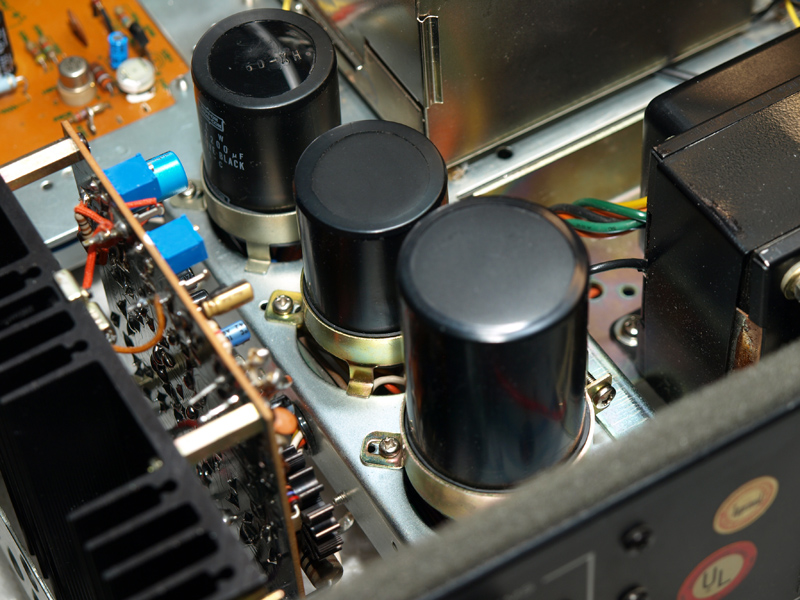
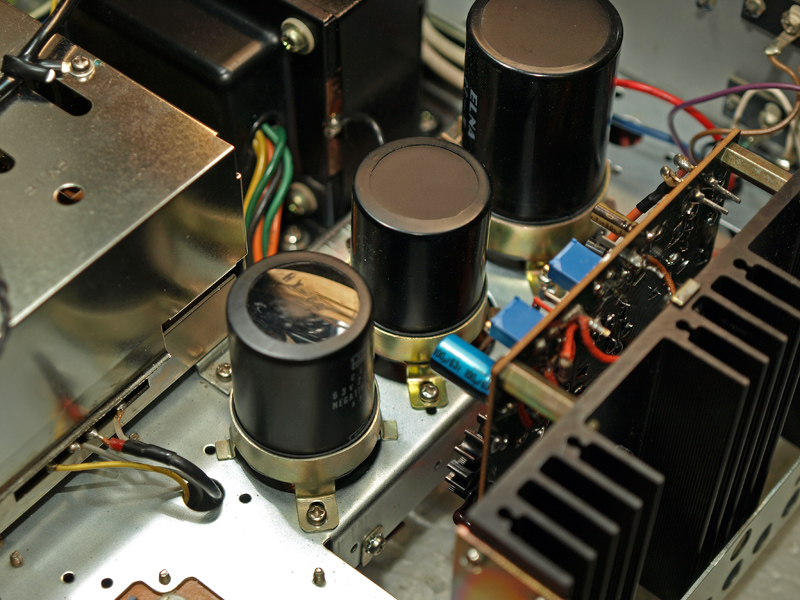
The finished cans look very "original". The shrink tubing is trimmed off right at the clamp line. If you had not
read this section you would have never noticed this modification... and that is exactly the point in doing this.
read this section you would have never noticed this modification... and that is exactly the point in doing this.